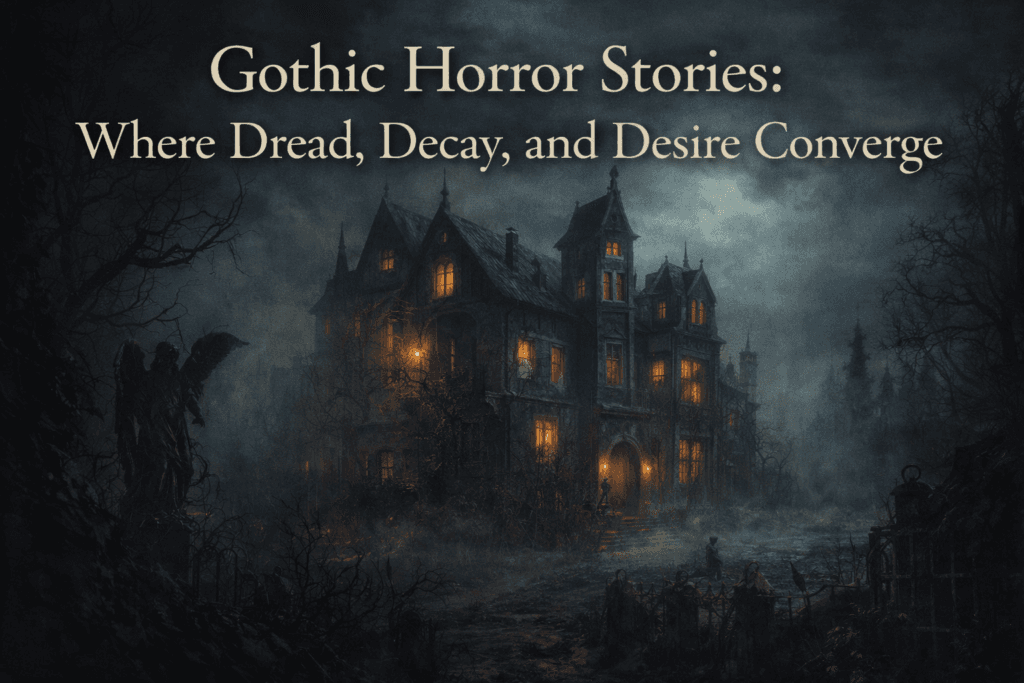
Gothic horror does not announce itself.
Instead, it arrives quietly—and then refuses to leave.
Rather than confronting the reader with spectacle or violence, gothic horror works through atmosphere, memory, and recognition. It settles into houses that seem aware of their occupants. It lingers in families shaped by histories no one fully remembers yet everyone obeys. It tightens around relationships that promise shelter but deliver enclosure.
Because of this, gothic horror understands something essential: fear does not need intensity to endure. It needs time.
For readers drawn to gothic horror stories, dread does not explode.
Instead, it accumulates—slowly, deliberately—until it feels inevitable.
This is not accidental.
It is the genre’s defining discipline.
What Gothic Horror Truly Is—and Why It Endures
Many descriptions of gothic horror stop at imagery: fog, candlelight, stone corridors, ruined estates. While these elements matter, they do not explain the genre’s longevity. They decorate the experience; they do not generate it.
At its core, gothic horror revolves around inevitability.
Where other forms of horror escalate through danger, gothic horror deepens through emotional gravity. Instead of expanding the threat, it narrows the world. As a result, the reader does not recoil. They remain, because leaving feels premature.
This explains why gothic horror stories feel older than their publication dates. They return to the same emotional territories not because of tradition, but because those territories never vanish:
- The past refuses to remain buried
- Love transforms into obligation
- Identity erodes under pressure
- Escape reveals itself as illusion
Therefore, gothic horror does not ask whether the reader feels fear.
Rather, it asks whether the fear feels familiar.
That familiarity is what keeps readers returning.
Atmosphere as the First Threshold of Descent
Every gothic horror story begins with atmosphere, because atmosphere lowers resistance.
Fog softens boundaries. Silence stretches time. Stone absorbs memory. Consequently, the reader slows down. Gothic horror requires this slowing, because its dread cannot function under haste.
At this stage, nothing overtly horrific must occur. Instead, unease emerges through restraint. The reader senses imbalance but cannot yet articulate it. By the time danger becomes legible, the reader already inhabits the emotional architecture of the story.
This method does not rely on surprise.
Instead, it relies on consent.
The reader steps forward willingly, often without realising when the threshold was crossed.
The Gothic Setting as a Living System
In gothic horror, settings do not exist to host events.
They exist to shape outcomes.
Houses, estates, towns, and isolated landscapes function as living systems. They exert pressure. They enforce routines. They shape behaviour long before characters understand what is happening.
This is why gothic horror settings feel oppressive without being violent. The danger does not arrive through attack. It arrives through persistence.
Rooms encourage silence. Corridors encourage repetition. Walls encourage obedience. Over time, characters adjust themselves to the space rather than challenging it.
This adjustment produces dread because it mirrors lived experience. People adapt to environments every day, often without noticing the cost.
Gothic horror simply refuses to look away from that cost.
The House as Memory, Witness, and Judge
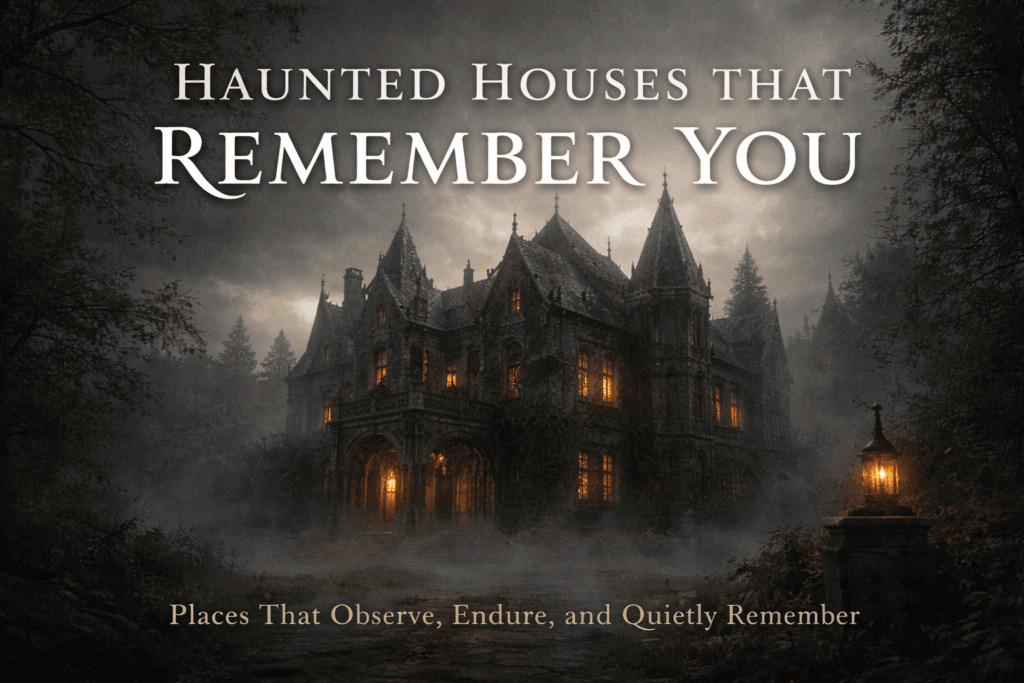
No image dominates gothic horror more persistently than the house.
However, gothic fiction never treats houses as neutral settings.
Instead, houses remember.
They retain arguments spoken decades earlier. They hold grief in their walls. They archive secrets that no living occupant fully understands. Because of this, leaving rarely feels like escape. More often, it feels unfinished—almost improper.
The fear does not arise because the house is haunted.
Rather, it arises because the house is attentive.
Readers recognise this fear instinctively. Places shape behaviour. Rooms influence emotion. Foundations dictate what can be built above them. Consequently, gothic horror transforms architecture into inheritance.
This transformation anchors The Foundation Beneath Us, where the house does not threaten its occupants outright. Instead, it absorbs them slowly, encouraging adaptation rather than resistance. The structure endures. The people align themselves to it.
Here, dread emerges not from danger, but from permanence.
Time, Repetition, and the Slow Erosion of Agency
Gothic horror treats time differently from other genres.
Rather than accelerating events, it repeats them. Days resemble one another. Conversations echo earlier conversations. Actions lose novelty. Over time, repetition erodes agency.
Characters do not feel trapped immediately. Instead, they feel settled. Routine replaces resistance. Familiarity replaces alarm.
This temporal flattening produces one of gothic horror’s most unsettling effects: the sense that nothing is happening—yet everything is changing.
Readers experience this as weight. Each repeated moment adds pressure. Eventually, the accumulation becomes impossible to ignore.
By then, escape feels abstract.
Decay as Destiny Rather Than Tragedy
Decay occupies a central role in gothic horror.
Yet the genre does not frame decay as failure.
Instead, decay represents fulfillment.
Cracked walls, eroding estates, collapsing families, failing relationships—these conditions signal destiny rather than decline. Whereas other genres attempt repair, gothic horror observes deterioration patiently.
As a result, gothic stories carry melancholy rather than urgency. They do not scramble to preserve what fades. Instead, they acknowledge that some structures were never meant to last.
This perspective resonates with readers who understand loss as unavoidable rather than shocking. Gothic horror does not rush toward consolation. It validates grief without disguising it.
Decay, therefore, becomes honest.
Love as Confinement and Desire as Obligation
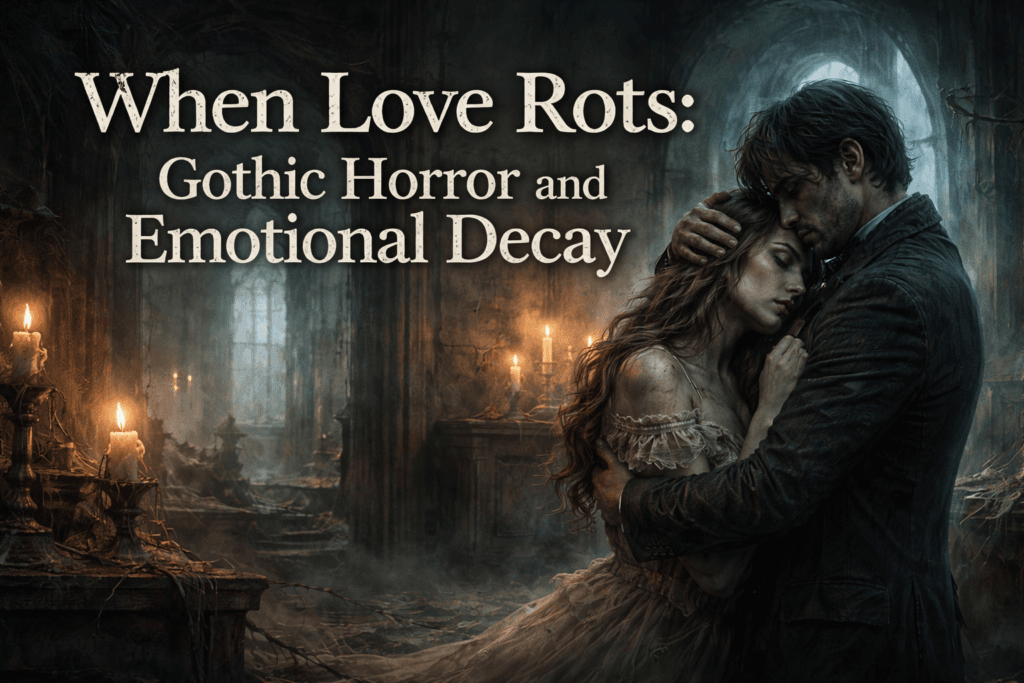
Gothic horror approaches love carefully—and often suspiciously.
Rather than liberating characters, love binds them. Desire intensifies obligation. Attachment narrows choice. Consequently, intimacy begins to erode identity instead of strengthening it.
This dynamic does not arise from cynicism.
Instead, it arises from scrutiny.
Gothic horror recognises that emotional prisons often feel safer than freedom. Staying feels responsible. Leaving feels destructive. Over time, devotion replaces agency.
Readers who resonate with this theme rarely need explanation. They recognise the fear immediately, because it reflects emotional compromises many people make quietly.
This erosion unfolds within The Mirror, where grief and intimacy distort reflection until the self no longer feels stable. The horror does not arrive through violence, but through closeness—through the slow disappearance of certainty.
Here, love does not rescue.
It encloses.
Isolation and the Narrowing of Possibility
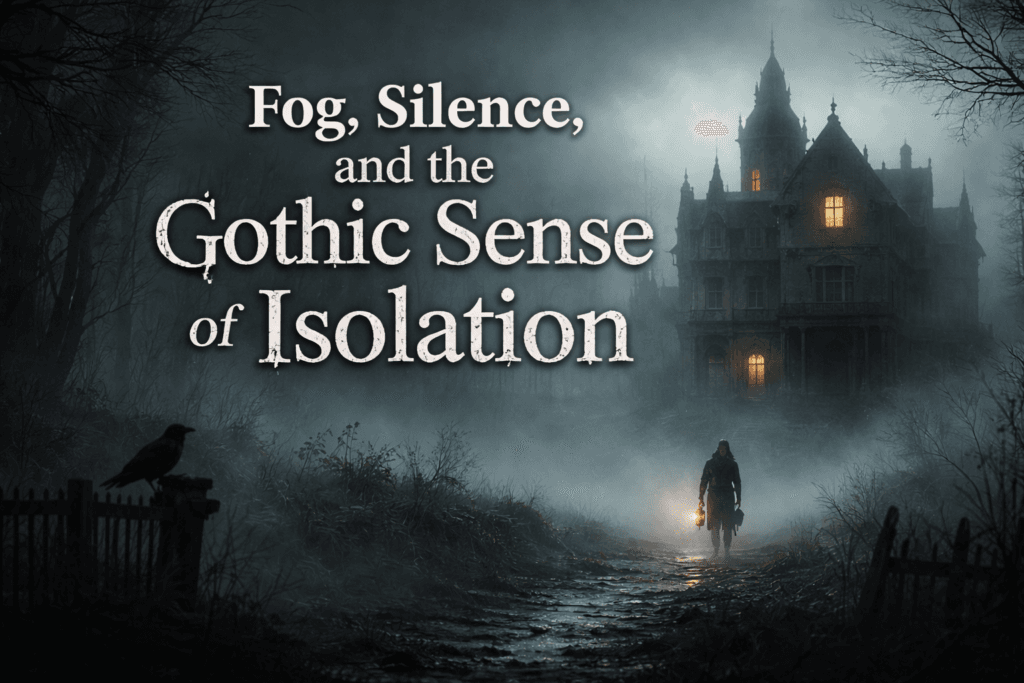
Isolation functions differently in gothic horror than in survival horror.
Rather than threatening immediate danger, isolation contracts the emotional world. Options disappear gradually. Leaving feels theoretical. Eventually, characters stop asking how to escape and start questioning whether escape remains meaningful.
Because of this shift, gothic horror removes alternatives instead of increasing threat.
This narrowing manifests in The Diary of Cabin 313,, where confinement becomes familiar and freedom begins to feel unreal. The setting does not pursue the character. It waits, allowing adaptation to do the work.
Isolation, therefore, becomes internal.
Inheritance, Guilt, and the Weight of What Came Before
Once atmosphere draws the reader inward, inheritance prevents departure.
Gothic horror repeatedly returns to lineage—emotional, moral, and historical. Family curses and ancestral crimes operate not as shock devices, but as engines of inevitability.
Characters carry burdens they did not choose. Responsibility exists without consent. Guilt persists without agency.
Readers understand this fear deeply. Many live with obligations inherited rather than earned. Gothic horror does not soften this reality. Instead, it examines it closely, tracing how the past shapes behaviour long after its origin fades from memory.
By shifting fear away from monsters and toward legacy, gothic horror exposes something more enduring. Memory does not die. It accumulates.
Obsession and Emotional Enclosure
As gothic horror deepens, obsession replaces curiosity.
Rooms feel smaller. Relationships tighten. Choices narrow. The reader no longer wonders what will happen next. Instead, they wonder why leaving feels wrong.
At this point, attachment has formed.
Because attachment exists, dread no longer needs escalation. It requires continuity. The reader stays not because they must, but because departure feels like betrayal.
This emotional enclosure marks the genre’s most effective stage. Fear becomes internalised. The corridor narrows.
Identity Erosion and Final Surrender
The final movement of gothic horror arrives quietly.
Rather than explosive climax, identity dissolves. Characters merge with places, roles, or histories. Resistance fades. Acceptance replaces fear.
The reader understands something unsettling:
this outcome was never avoidable.
This terminal descent unfolds in Marked by the Deep, where the self erodes until place and past absorb it completely. The horror does not resolve. It completes itself.
Here, surrender does not feel like defeat.
It feels like recognition.
Why Gothic Horror Readers Buy Differently
Gothic horror readers rarely buy impulsively.
Instead, they buy through recognition. They linger on pages. They reread passages. They resist urgency but respond to inevitability. When purchase occurs, it feels earned.
Gothic horror does not sell excitement.
Rather, it sells continuation.
Because of this, gothic horror converts quietly and sustains loyalty. Buying the book feels less like consumption and more like acceptance of a descent already underway.
Gothic Horror as Recognition, Not Choice
Readers do not encounter gothic horror accidentally.
They gravitate toward it because it mirrors loss, memory, decay, obsession, and emotional weight. Gothic horror does not invent these feelings. It articulates them.
Therefore, the genre endures not because it adapts to trends, but because it refuses to dilute its truths.
Gothic horror does not ask whether you want to descend.
It asks how long you have already been walking these corridors.
The Corridor Continues
Gothic horror never ends with a single story.
Instead, it unfolds as a corridor—each door opening onto another variation of the same unyielding truths. Readers walk forward willingly, even when they understand where the path leads.
Because some forms of dread feel like home.
And once that recognition settles, turning back rarely feels possible.